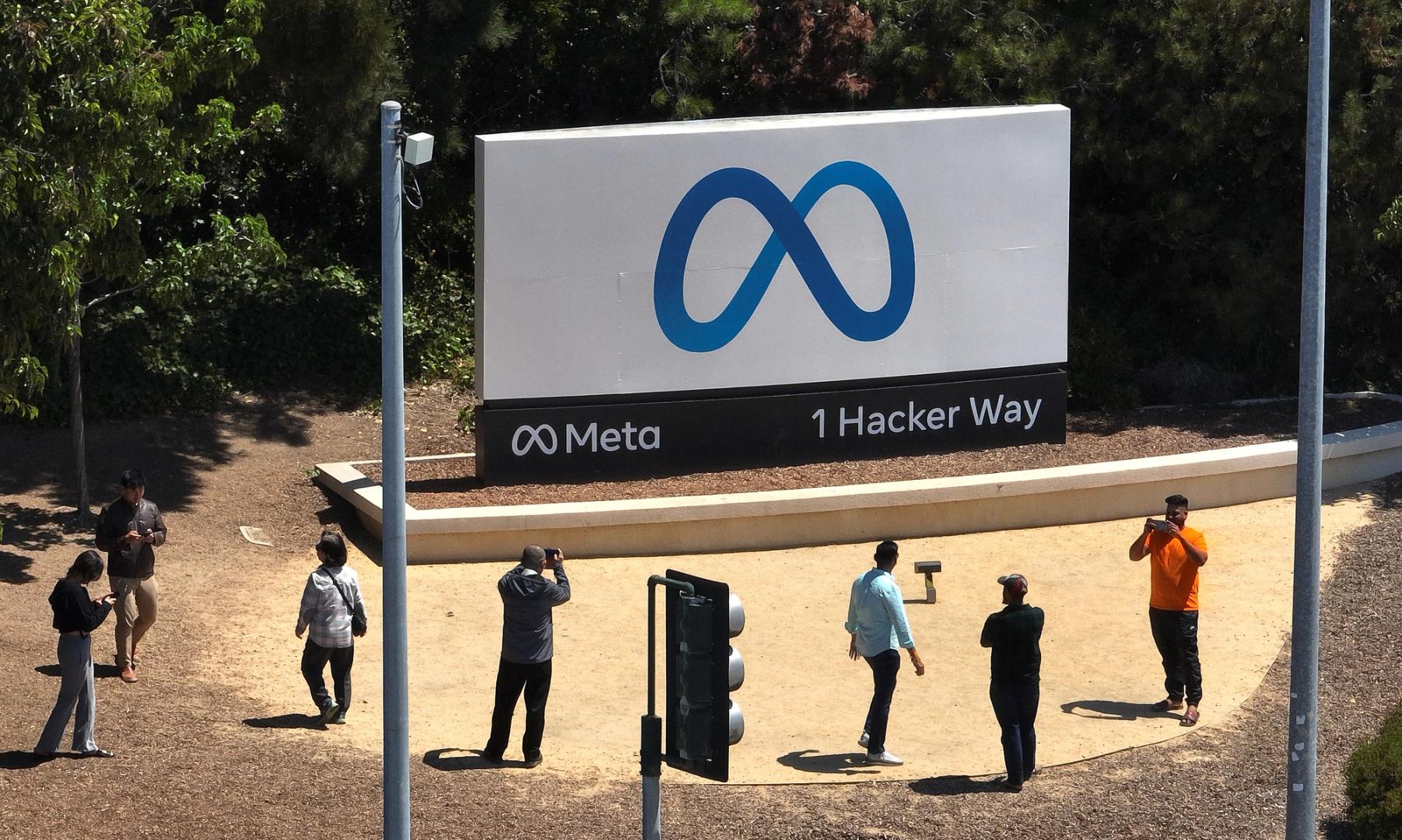
What Happened
Meta has taken a significant step in the digital currency landscape by announcing that it will pay creators in USDC, a popular stablecoin, marking a notable shift in how content creators are compensated. This move has sparked a wave of interest, as it not only highlights the growing acceptance of stablecoins in mainstream finance but also underscores the ongoing challenges of converting these digital dollars into usable local currency. The announcement comes at a time when the use of cryptocurrencies continues to expand beyond speculative investments, positioning stablecoins as a legitimate payment method in the creator economy.
Meta's decision to utilize USDC is particularly relevant given the company's ongoing efforts to integrate more financial technologies into its platform. By compensating creators in stablecoins, Meta is tapping into the increasing demand for digital assets among users who prefer the stability of cryptocurrencies pegged to traditional currencies. This reflects broader trends in the financial landscape, where digital currencies are becoming more mainstream and accepted for everyday transactions.
Why It Matters
The implications of Meta's move extend far beyond just creator payments. By adopting USDC, Meta is validating stablecoins as a viable disbursement tool, reinforcing their place in the financial ecosystem. The immediate impact is clear: Meta's creators can receive payments that are less volatile than traditional cryptocurrencies, a significant advantage in an industry where income can fluctuate wildly. However, the move also highlights a critical issue: the lack of seamless conversion options from digital assets to local currencies.
This problem of liquidity is a crucial barrier to wider adoption of stablecoins. While USDC is pegged to the U.S. dollar and designed to maintain price stability, the challenge remains for creators to convert their earnings into cash they can spend. Without efficient solutions for cashing out, the use of stablecoins may be limited to those who are already entrenched in the cryptocurrency ecosystem. This disconnect could hinder the growth potential of stablecoins, as many users still prefer the familiarity of traditional banking systems.
Moreover, the adoption of stablecoins by a major player like Meta could lead to increased scrutiny from regulators. As stablecoins gain prominence, concerns about their impact on monetary policy and financial stability may prompt governments to implement stricter regulations, which could affect how companies like Meta operate in this space.