What Happened
Oil tankers carrying a staggering 35 million barrels have exited the Persian Gulf through the Strait of Hormuz following a recent agreement involving Iran, allowing for a significant boost in oil exports. This development comes as the threat level for ships navigating the vital waterway has been downgraded to "moderate," providing a more secure environment for maritime operations. The Strait of Hormuz is a crucial chokepoint for global oil trade, accounting for approximately 20% of the world’s crude oil supply.
The recent agreement appears to have eased tensions in the region, which have historically posed risks to shipping routes. This surge in oil exports signals a renewed confidence in the stability of one of the world's most significant oil transport corridors. The timing is particularly notable as global demand for energy continues to recover post-pandemic, and any increase in supply can influence oil prices and market dynamics in various ways.
Why It Matters
The increase in oil exports from the Persian Gulf is likely to have several ramifications for the global oil market. As ships begin to move more freely through the Strait of Hormuz, the supply of oil is expected to rise, which could lead to downward pressure on prices. Historically, significant increases in supply can help stabilize or even lower oil prices, particularly if demand does not rise proportionately.
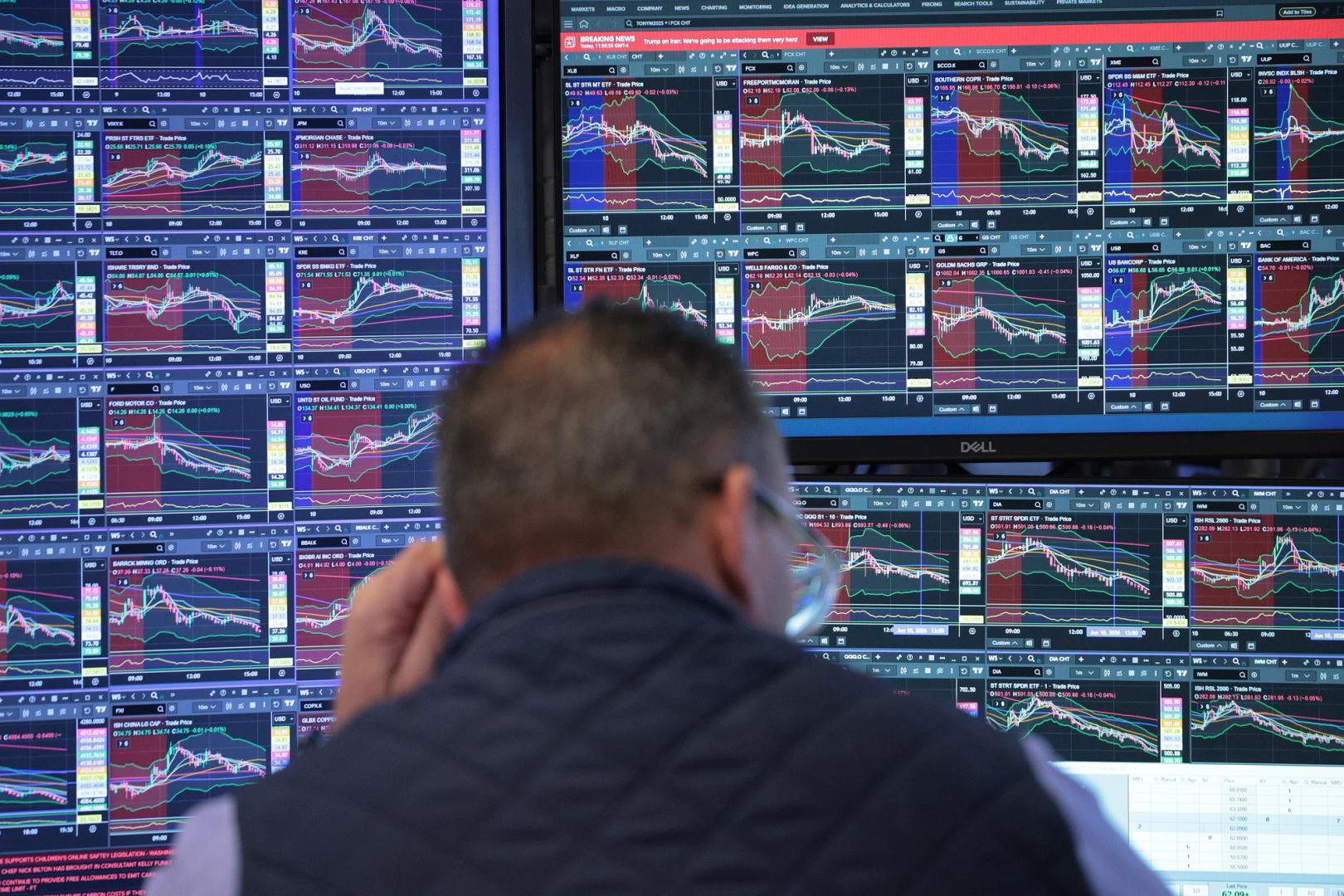
Market sentiment plays a crucial role in this context. The perception that shipping routes are safer can lead to increased trading activity and speculative investments in oil stocks, as traders react to improved conditions. Beyond oil prices, this development may also affect stocks in sectors related to energy production, shipping, and international trade, as companies reassess their risk exposure and operational strategies in the region.
However, there are nuances to consider. A more stable oil supply could lead to an oversupply scenario if demand does not keep pace, resulting in price volatility. Additionally, geopolitical factors remain in play; any sudden changes in the political landscape could quickly reverse current trends, creating uncertainty.