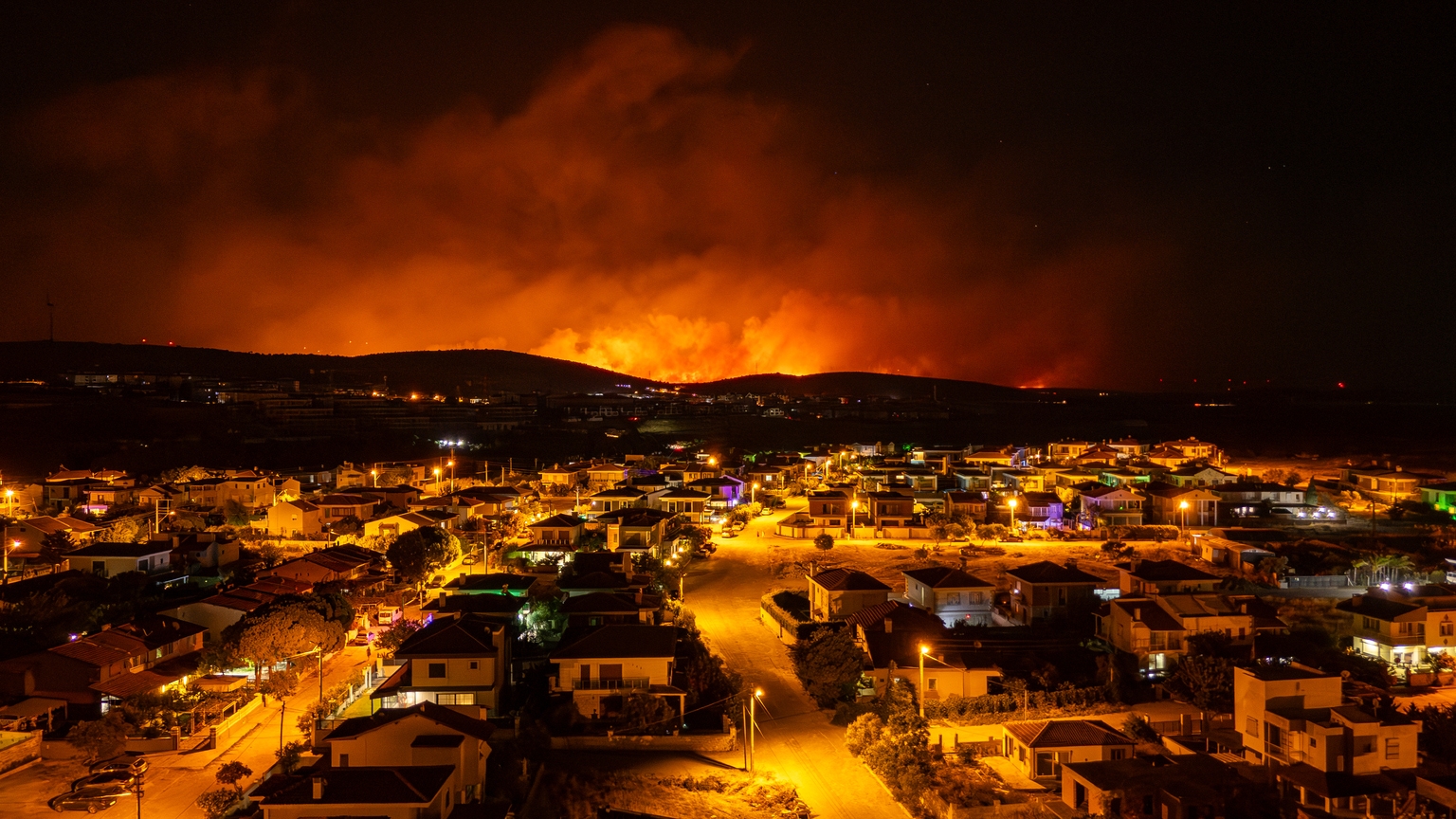
Americans Express Concerns Over Iran War and Rising Gas Prices
As the conflict in Iran continues to escalate, Americans are increasingly voicing their concerns about the implications of the war—not only for international relations but also for their everyday lives. Recent surveys indicate that the American populace is particularly worried about how the ongoing military tensions might influence gas prices, which have been on an upward trajectory. These economic anxieties are compounded by fears regarding national security and the broader implications of a protracted conflict in the Middle East.
Background Context
The Iran war, which has intensified over the past few months, has captured the attention of citizens and policymakers alike. The conflict has roots in long-standing geopolitical tensions, compounded by recent provocations and retaliatory actions from both Iran and Western nations. Americans are acutely aware that military engagements in the Middle East historically lead to volatility in global oil markets, and this time is no different.
Gas prices, which have already seen fluctuations due to a variety of factors including supply chain disruptions and global oil production levels, are now being further influenced by the risk of instability in a critical oil-producing region. The American Automobile Association (AAA) has reported that rising oil prices have begun to translate into higher costs at the pump, with many motorists feeling the pinch as they fill their tanks.
Market Impact Analysis
The combination of growing unrest in Iran and rising gas prices is creating a complex economic environment. Analysts warn that sustained military conflict could lead to even higher oil prices, which may exacerbate inflationary pressures already felt across various sectors of the economy.
The situation has led to increased volatility in energy markets, with crude oil prices experiencing sharp fluctuations in recent weeks. Investors are closely monitoring developments in Iran, as any escalation could lead to supply disruptions. This uncertainty is rippling through the stock market, affecting energy stocks and broader indices as traders react to the geopolitical climate.
Moreover, the rising cost of fuel is likely to impact consumer spending, which could have broader implications for economic growth in the U.S. Higher gas prices often lead to decreased discretionary spending, as families allocate a larger portion of their budgets to transportation costs. This change could result in slower economic expansion, as consumers may cut back on dining out, travel, and retail purchases.
Forward-Looking Outlook
Looking ahead, many Americans remain apprehensive about the potential long-term effects of the Iran war on both their financial well-being and national security. With the holiday season approaching, concerns over rising gas prices may dampen consumer sentiment, affecting holiday travel and spending.
Policymakers will need to strike a delicate balance between addressing the conflict abroad and managing the economic fallout at home. Some experts argue for the need to diversify energy sources and invest in renewable energies to reduce dependence on volatile foreign oil markets.
As the situation develops, the American public is likely to remain watchful, with many hoping for a swift resolution to the conflict that minimizes both human suffering and economic disruption. The intertwining of military action and economic realities serves as a reminder of how deeply interconnected global events are with the everyday lives of individuals.
In summary, as Americans weigh their fears about the Iran war alongside rising gas prices, the implications of these issues will undoubtedly continue to unfold and shape the financial landscape in the coming months.