What Happened
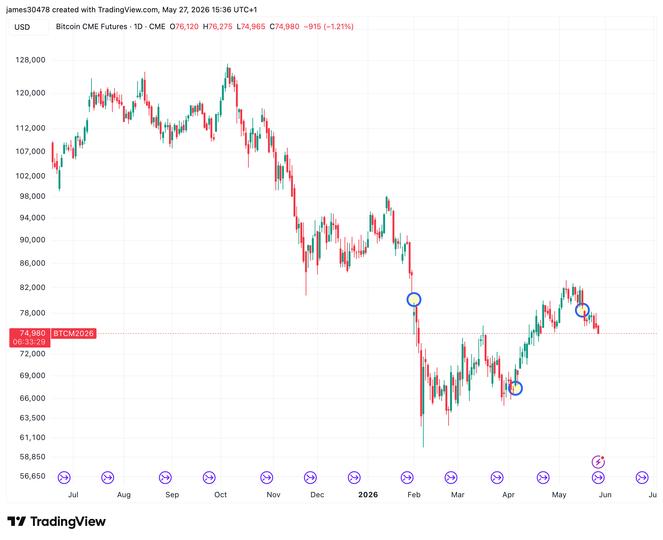
Bitcoin's recent movements are making headlines as it approaches the closure of its well-known CME gaps, with three gaps remaining unresolved. The Chicago Mercantile Exchange (CME) gaps occur when the price of Bitcoin changes significantly between the time the CME closes for the weekend and reopens on Monday. This phenomenon has often been viewed as a potential indicator of future price movements, making the current situation particularly significant for traders and investors alike. The imminent closure of these gaps has sparked discussions about what this means for Bitcoin's price trajectory.
The CME gaps have historically been watched closely by market participants, given that they often act as support or resistance levels. As Bitcoin continues to move, the resolution of these gaps could give traders important clues about the cryptocurrency’s direction. With the crypto market buzzing about these developments, understanding the implications is crucial for anyone involved in Bitcoin trading or investment.
Why It Matters
The closure of Bitcoin's CME gaps is important because it could influence market sentiment significantly. Typically, when gaps are unresolved, they can create uncertainty, leading to price fluctuations as traders anticipate their eventual closure. This anticipation can generate buying or selling pressure, depending on the broader market conditions.
Fundamentally, the presence of CME gaps has led to speculation about price movements, as traders often believe that Bitcoin will return to these levels. If Bitcoin manages to fill these gaps, it may create a bullish sentiment, suggesting that the price could rise further. Conversely, failing to fill these gaps might lead to bearish sentiment, as traders could interpret it as a sign of weakness.
One non-obvious insight here is that the closure of these gaps could also affect the broader cryptocurrency market. When Bitcoin moves decisively, it often influences altcoins, as many traders view Bitcoin as a market leader. Thus, the resolution of these gaps could ripple through the entire crypto ecosystem, impacting everything from Ethereum to smaller altcoins.
Market Impact
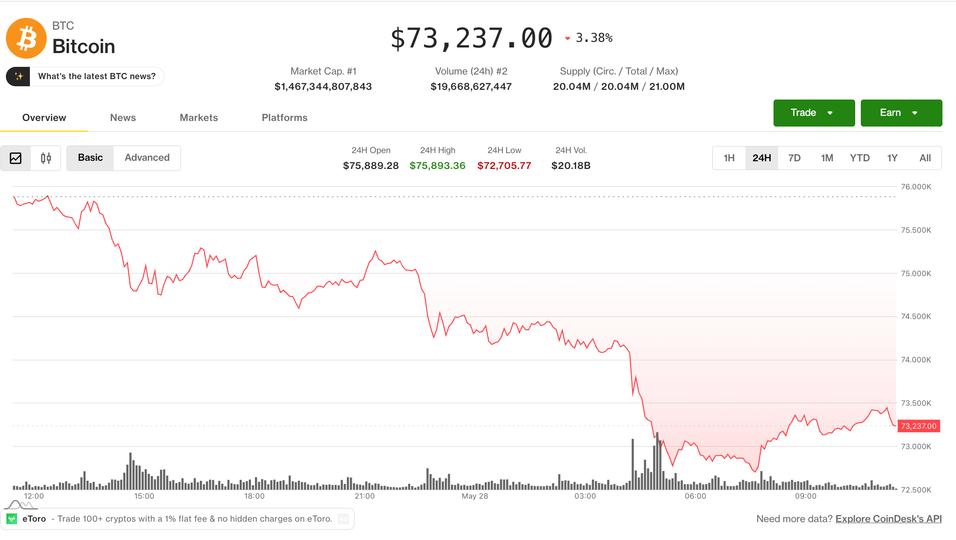
In the short term, Bitcoin’s price movements have already started to affect various sectors within the cryptocurrency market. For instance, trading volumes have surged as traders position themselves ahead of the gap closures. Altcoins, particularly those closely correlated with Bitcoin, have seen increased volatility as traders react to Bitcoin's movements. This includes cryptocurrencies like Ethereum and Litecoin, which often follow Bitcoin's lead in price direction.
In addition to direct impacts, we may see longer-term structural shifts. If Bitcoin successfully fills its CME gaps and establishes a new support level, it could signal a more robust recovery phase for the cryptocurrency market. On the other hand, if Bitcoin fails to do so, it might encourage a more cautious approach among traders, leading to a potential downturn in market sentiment.
What Traders Are Watching
Traders are closely monitoring how Bitcoin interacts with its CME gaps, particularly the three that remain unresolved. A breakout above these gaps would suggest a bullish sentiment, potentially driving prices higher. Conversely, a rejection at these levels could indicate weakness, prompting traders to reassess their strategies.
Key price levels are being discussed among market participants, with many focusing on historical resistance and support zones. Analysts are also watching for any technical patterns that could emerge as Bitcoin approaches these gaps. The question on the minds of traders is whether Bitcoin can sustain momentum or if it will falter under the pressure of these unresolved gaps.
What Comes Next
Looking ahead, traders will be watching for potential catalysts that could impact Bitcoin’s trajectory. As the market digests recent price movements and anticipates the filling of CME gaps, upcoming economic data releases and regulatory decisions could play a significant role in shaping market sentiment.
In a bullish scenario, Bitcoin would need to fill the remaining gaps and establish a strong support level to encourage further buying. Conversely, a bearish scenario could emerge if Bitcoin fails to resolve these gaps, leading to increased selling pressure and potentially lower prices.
The next test for Bitcoin comes as traders watch the unfolding market dynamics — until then, the focus remains on the unresolved CME gaps and their implications for Bitcoin's price direction.