Market Overview
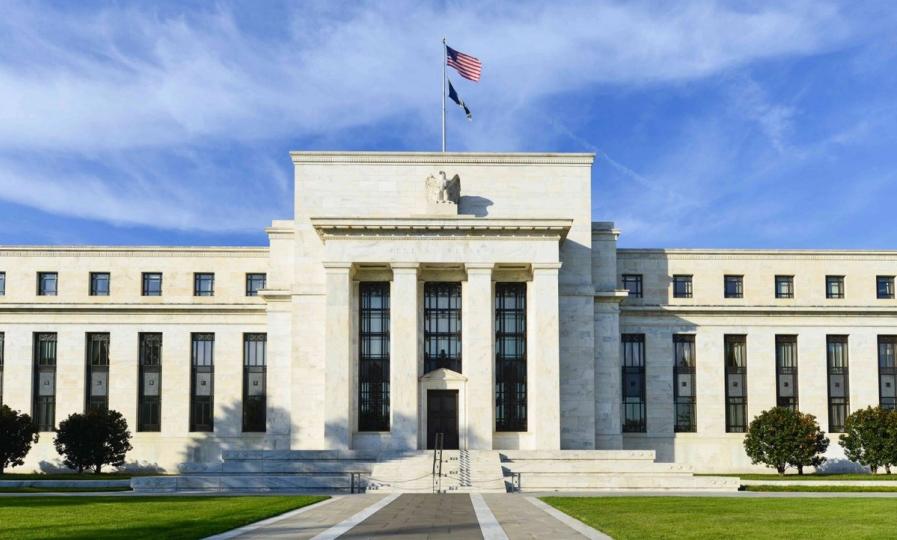
Bitcoin, the leading cryptocurrency by market capitalization, has recently crossed a crucial threshold, trading above a make-or-break level that traders are keenly watching. This price movement comes ahead of a significant hearing involving Christopher Waller, a member of the Federal Reserve's Board of Governors, where discussions on the regulatory framework for cryptocurrencies are expected to take center stage. As market participants anticipate insights that could shape the future of digital currencies, the importance of this price point has escalated, positioning Bitcoin as a focal point in the broader financial markets.
The implications of this trading behavior are profound for traders right now. With Bitcoin hovering around a vital support level, its stability or decline could trigger a cascade of buying or selling pressure. The excitement surrounding Waller's hearing could either bolster confidence in Bitcoin's legitimacy as a store of value or spark renewed regulatory scrutiny that impacts trader sentiment. As the market braces for volatility, the dynamics of Bitcoin trading are under intense scrutiny.
Technical & Fundamental Analysis
From a technical perspective, Bitcoin's recent price action has established a critical support level around the $30,000 mark. This threshold has historically acted as a battleground for bulls and bears. A sustained trade above this level could signal a bullish trend, potentially leading to a test of higher resistance levels, while a drop below could trigger a wave of selling as traders seek to limit losses. Key resistance levels to watch would be around $35,000 and $40,000, which have proven to be challenging barriers in previous rallies.
Fundamentally, the upcoming hearing with Christopher Waller is pivotal. As a key figure at the Federal Reserve, Waller's insights into the regulatory landscape could have significant ramifications for Bitcoin and the cryptocurrency sector as a whole. Traders are particularly sensitive to potential comments regarding central bank digital currencies (CBDCs) and how they might coexist with decentralized cryptocurrencies. Moreover, any discussion about the Fed's stance on interest rates and inflation could influence Bitcoin's appeal as an inflation hedge, a narrative that gained traction earlier this year amid rising economic uncertainty.
Trading Implications
Bitcoin's current price action is particularly relevant for traders in the cryptocurrency sector and those interested in alternative assets. Sectors such as blockchain technology, digital asset management, and cryptocurrency exchanges may experience heightened volatility in response to Bitcoin's movements. For instance, firms that are heavily invested in Bitcoin or those that facilitate trading could see fluctuations in their stock prices as Bitcoin either rallies or retreats.
In the short term, traders should be prepared for possible price volatility leading up to and following the Waller hearing. Short sellers may look to capitalize on any negative sentiment that arises from the hearing, while long-term holders may view dips as buying opportunities, anticipating that regulatory clarity could foster a more stable market environment. In the medium term, the narrative surrounding inflation and monetary policy will also weigh heavily on Bitcoin's performance, as traders gauge its role as a hedge against inflation.
Risk factors to monitor include potential regulatory actions that might arise from the hearing, shifts in investor sentiment, and broader market conditions influenced by macroeconomic data releases. Additionally, Bitcoin's correlation with traditional markets, particularly tech stocks, could impact its price trajectory, making it crucial for traders to remain vigilant.
What to Watch Next
Looking ahead, traders should keep an eye on the upcoming catalysts that could further influence Bitcoin's price. The Waller hearing is set to be a significant event, but other key dates in the financial calendar, such as inflation data releases and Federal Reserve meetings, will also play a pivotal role in shaping market sentiment. These economic indicators can alter the landscape for cryptocurrencies, potentially impacting their attractiveness as an investment vehicle.
Moreover, specific technical levels will be worth monitoring. A move above $35,000 could signify a shift in momentum, attracting more buyers into the market, while a failure to hold above the $30,000 mark may lead to increased selling pressure and a reassessment of Bitcoin's value proposition. Traders should also watch for any emerging trends in market sentiment, including shifts in institutional investment and retail interest, as these could signal broader acceptance or rejection of Bitcoin and cryptocurrencies as a whole.
In conclusion, as Bitcoin navigates this make-or-break level, the market's response to regulatory developments will be critical. With active trading strategies in place, market participants should remain informed and responsive to the evolving narrative surrounding cryptocurrencies.