What Happened
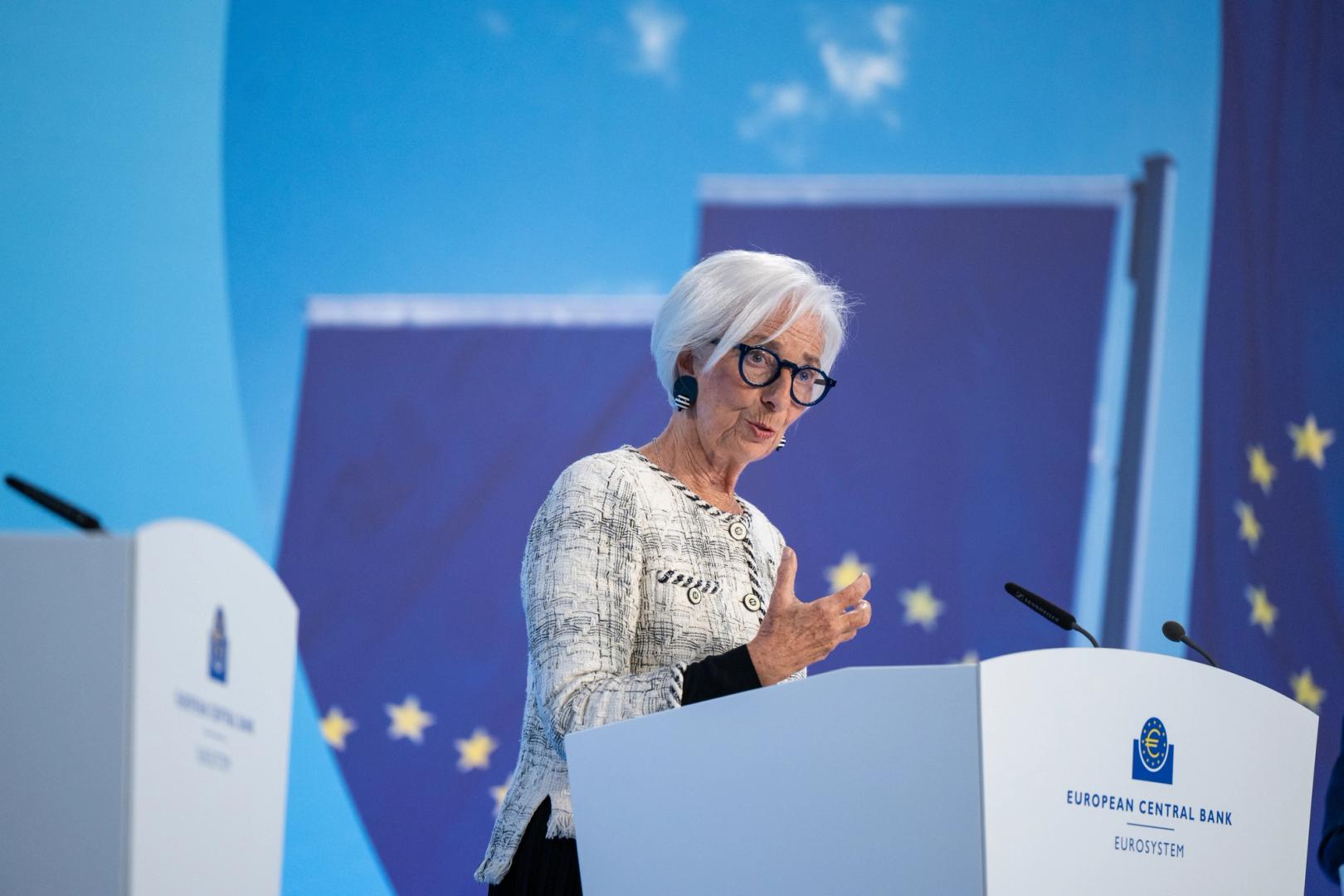
ECB President Christine Lagarde issued a strong warning regarding the proliferation of large stablecoins like Tether and USDC, emphasizing that Europe should not merely mimic the U.S. model of stablecoin regulation. Her remarks come at a time when the stablecoin market has ballooned to a staggering $310 billion, raising concerns about financial stability and the potential for these digital currencies to exacerbate market stress during turbulent times. This news has significant implications for the future of the eurozone's digital currency initiatives and for how Europe approaches digital finance.
Lagarde's cautionary stance is particularly timely as discussions around a digital euro have intensified within European Central Bank (ECB) circles. She highlighted that the dominance of U.S.-based stablecoins could lead to vulnerabilities within the European financial system, especially if these assets were to experience sudden volatility. The potential risks associated with large stablecoins are increasingly under scrutiny, prompting regulators to rethink their strategies regarding digital currencies.
Why It Matters
The implications of Lagarde's comments extend far beyond just regulatory frameworks; they touch on the core of financial stability in Europe. As large stablecoins become more prevalent, they can create a "shadow banking" system, where the risks associated with these assets are not fully understood or monitored by regulators. This could lead to systemic risks if a major stablecoin were to face liquidity issues or a sudden loss of confidence, potentially transmitting shocks to traditional financial markets.
Moreover, Lagarde’s warning reflects a broader trend in which central banks are reassessing their roles in the age of digital finance. The ECB's approach to a digital euro could serve as a counterbalance to the influence of U.S. stablecoins, ensuring that Europe maintains control over its monetary policy and financial stability. The conversation about the digital euro is not merely about enhancing payment systems; it's also about safeguarding the eurozone's economic sovereignty.
Market Impact
The announcement has reverberated through the financial markets, particularly affecting cryptocurrencies and digital assets as traders assess the potential regulatory landscape. While specific cryptocurrencies were not mentioned, the sentiment has likely led to a cautious approach among investors in the crypto space, particularly those holding large stablecoins like Tether and USDC.
