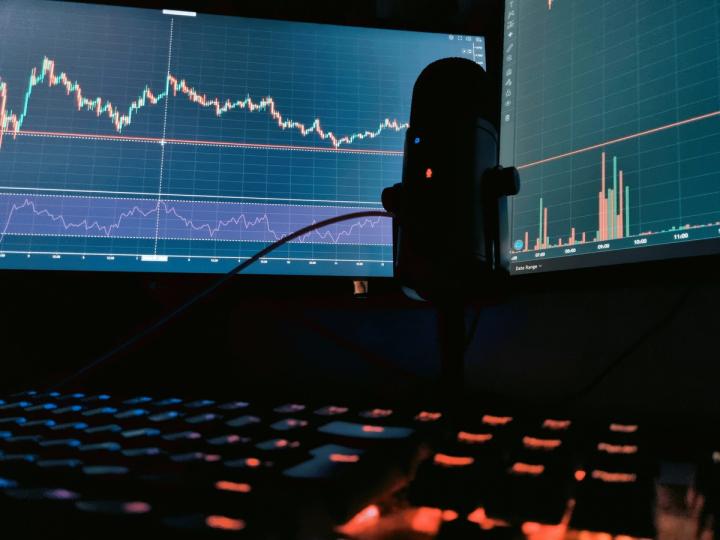
Bitcoin Traders Unfazed by Upcoming U.S. Inflation Figures
As the financial world braces for the impending release of U.S. inflation figures, a curious phenomenon has emerged in the cryptocurrency arena: Bitcoin traders appear largely indifferent. While traditional markets are typically sensitive to inflation data, which can influence interest rates and economic policy, Bitcoin and other cryptocurrencies seem to be charting their own course, undeterred by the looming economic indicators that have historically swayed investor sentiment.
The Inflation Context
Inflation has been a pressing concern for the U.S. economy, with rates fluctuating significantly over the past few years. Following the onset of the COVID-19 pandemic, supply chain disruptions and unprecedented fiscal stimulus measures led to skyrocketing consumer prices. The U.S. Federal Reserve has since taken aggressive steps to curtail inflation, including a series of interest rate hikes. As the latest inflation figures are set to be released, traders and investors across various asset classes are keenly attuned to how these numbers might influence the Fed's future monetary policy.
However, in contrast to the typical market reaction—a flurry of activity as analysts and traders scramble to interpret the data—Bitcoin traders appear unbothered. The leading cryptocurrency has exhibited a certain resilience, maintaining its value and attracting interest even in the face of traditional economic pressures. This detachment could suggest a shift in how Bitcoin is perceived as an asset class.
Market Impact Analysis
The prevailing sentiment among Bitcoin traders can be traced back to the cryptocurrency's growing status as a hedge against inflation and economic instability. Unlike fiat currencies, which can be printed at will, Bitcoin is characterized by its capped supply of 21 million coins, positioning it as a form of digital gold. Many investors are increasingly viewing Bitcoin not just as a speculative asset but as a long-term store of value, independent of traditional economic indicators.
As inflation pressures mount, Bitcoin has continued to attract institutional and retail investors alike. While traditional assets like stocks and bonds often react negatively to rising inflation, Bitcoin’s unique qualities have allowed it to thrive, drawing in a demographic that sees potential in its decentralized nature.
Moreover, the intertwining of Bitcoin and macroeconomic factors has led to a growing narrative that the cryptocurrency could serve as a safe haven in uncertain times. This sentiment might explain why Bitcoin's price movements have remained relatively stable in anticipation of the inflation figures, as traders seem to be focusing on long-term trends rather than short-term fluctuations.
Forward-Looking Outlook
Looking ahead, the upcoming inflation figures could have a varied impact on the cryptocurrency market. Should the data reveal persistent inflationary pressures, it could lead to further rate hikes by the Federal Reserve, which might have a cooling effect on risk assets, including cryptocurrencies. However, if the figures indicate a cooling inflation rate, it could bolster investor confidence and lead to a renewed interest in Bitcoin, potentially pushing prices higher.
In this evolving landscape, it will be essential for traders to stay informed and adapt their strategies accordingly. The growing acceptance of Bitcoin and other cryptocurrencies as legitimate investment vehicles suggests a maturing market, one that may become increasingly insulated from traditional economic indicators. For now, Bitcoin traders remain resolute, seemingly unfazed by the impending data—an indication that the cryptocurrency has indeed carved out a distinct identity in the broader financial ecosystem.
As the world awaits the inflation figures, the cryptocurrency market will likely continue to draw interest, with Bitcoin standing as a testament to the changing nature of value and investment in the 21st century. Whether this detachment from traditional economic signals will last remains to be seen, but for now, Bitcoin traders seem to be charting their own path, regardless of what the numbers may reveal.