What Happened
Goldman Sachs has issued a bold claim: the recent rapid rally in tech stocks, described as an "up crash," signals even more potential gains ahead, despite the volatility it has created. This assertion is significant, as it highlights an unprecedented market dynamic—one that has only occurred four times in history. The firm’s analysis comes at a time when tech stocks are experiencing sharp movements, raising questions about sustainability and future performance.
The term "up crash" refers to sudden, large price increases followed by sharp corrections, a phenomenon that can create anxiety among investors. Goldman’s perspective is particularly noteworthy because it suggests that rather than signaling a market downturn, this volatility might actually indicate underlying strength in tech stocks. The timing of this report is crucial, as it coincides with a broader recovery in equity markets that many had deemed uncertain.
Why It Matters
The implications of Goldman’s analysis extend beyond mere market chatter; they connect to how investors perceive risk and opportunity in the tech sector. Historically, moments of extreme volatility have often preceded significant rallies, as they can indicate a strong buyer response at lower price levels. This time, the dynamic is particularly interesting because it suggests that investors are willing to endure short-term fluctuations for potential long-term gains.
Market sentiment around tech stocks has been notably bullish, driven by optimistic earnings forecasts and innovations in artificial intelligence, cloud computing, and other transformative technologies. Goldman’s assertion that the current volatility could lead to further gains adds a layer of complexity to this sentiment, suggesting that investors may need to recalibrate their strategies in light of these insights.
Moreover, the volatility could have broader implications for market sectors beyond technology, impacting related fields such as semiconductors and software services, which are also fueled by tech advancements.
Market Impact
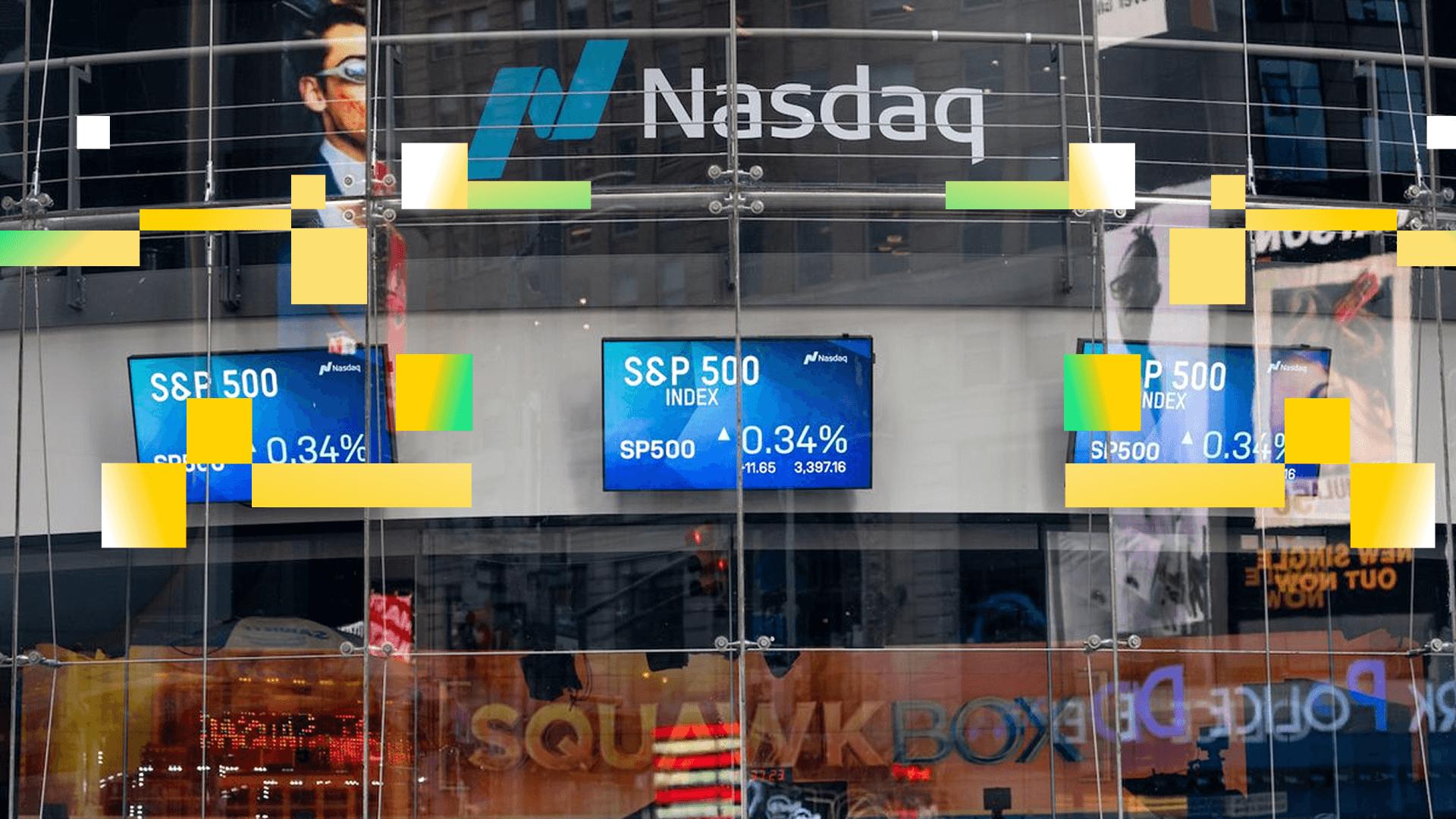
The recent volatility has impacted various tech-heavy indices, with notable movements observed in the Nasdaq Composite and S&P 500. Stocks such as Apple, Microsoft, and NVIDIA have seen significant price swings, with many rising sharply before facing corrections. This dynamic has led to increased trading volumes as market participants react to news and price movements.
In addition to the immediate impact on tech stocks, there are second-order effects to consider. For instance, companies that supply components to the tech sector, like semiconductor manufacturers, may also experience price volatility as investors adjust to the shifting landscape. If tech stocks continue to rally, this could lead to increased demand for semiconductors, further driving their prices up and potentially benefiting companies in that supply chain.
What Traders Are Watching
Active market participants are closely monitoring key price levels for major tech stocks to gauge whether this volatility will stabilize or lead to a deeper correction. Analysts are watching for signs of a breakout above recent highs, which could suggest that bullish momentum is gathering strength. Conversely, a rejection at established resistance levels might indicate that the market is poised for a pullback.
The question on traders' minds is whether this current volatility is sustainable or merely a precursor to a larger market correction. The upcoming earnings reports from major tech companies will be crucial in shaping market sentiment and could significantly influence trading strategies across the sector.
What Comes Next
Looking ahead, market participants will be keeping an eye on several important catalysts, including upcoming earnings announcements from key tech players and economic data releases that could impact investor sentiment. Should tech companies report stronger-than-expected earnings, it could bolster the bullish outlook, while disappointing results might fuel fears of a more pronounced correction.
For the bullish scenario to hold, sustained momentum in tech performance and positive economic indicators will be essential. On the other hand, any signs of economic slowdown or weaker earnings could shift sentiment rapidly toward the bearish side.
The next test for Goldman and the broader tech sector comes as earnings reports begin to roll in — until then, the current volatility remains the dominant force shaping market dynamics.