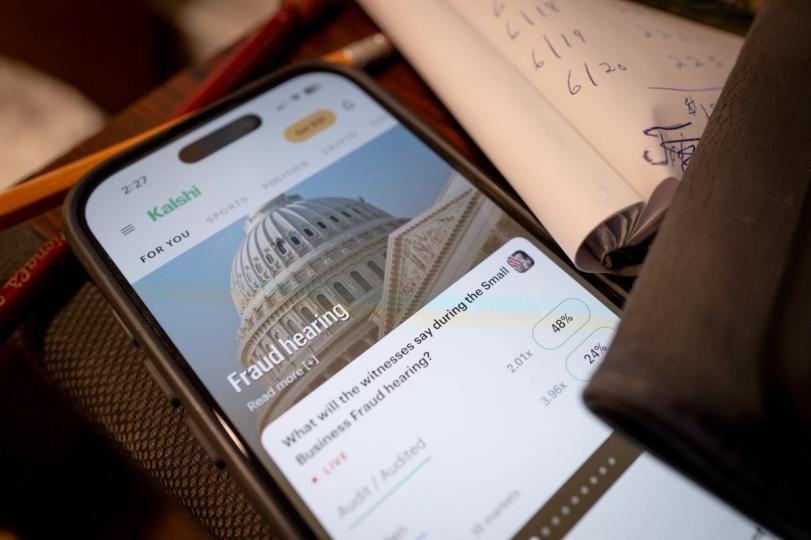
# Kalshi Now Controls 89% of the U.S. Prediction Market as Regulated Trading Takes Over
In a landmark development for the prediction market sector, Kalshi, a regulated exchange for event contracts, has announced that it now commands an impressive 89% of the U.S. prediction market. This significant market share reflects a growing trend towards regulated trading platforms, which have become increasingly popular as investors seek more structured and secure environments for wagering on future events.
Background Context and Key Details
Prediction markets allow participants to buy and sell contracts based on the outcomes of future events, such as elections, economic indicators, or even sporting events. Traditionally, these markets have operated in a somewhat grey area concerning regulation, leading to a mix of unregulated betting platforms and informal prediction markets. However, the landscape has shifted dramatically over the past few years.
Kalshi, co-founded by Tarek Mansour and Tamer Elsayed, gained approval from the Commodity Futures Trading Commission (CFTC) in 2020 to operate as a regulated exchange. This regulatory endorsement has played a critical role in boosting consumer confidence and attracting institutional investors who were previously hesitant to engage in unregulated markets.
The platform allows users to trade on a variety of outcomes, from election results to economic data releases, turning speculative bets into tradable assets. With Kalshi’s robust infrastructure and adherence to regulatory standards, it has effectively positioned itself as the premier destination for prediction market trading in the United States.
Market Impact Analysis
Kalshi's ascendance to controlling 89% of the U.S. prediction market signals a paradigm shift in how these markets are perceived and utilized. The significant market share underscores the effectiveness of its platform and the growing appetite for regulated trading options among investors. This dominance is likely to have far-reaching implications for the landscape of prediction markets.
As a regulated entity, Kalshi is equipped to provide a level of transparency and security that has been lacking in many prediction markets. This could lead to increased participation from both retail and institutional investors, further solidifying Kalshi’s position as the go-to platform for event contracts.
Additionally, the rise of Kalshi may prompt other players in the market to either enhance their compliance measures or seek out partnerships to remain competitive. This could foster innovation within the sector, leading to the introduction of new products and potentially expanding the overall market size.
Forward-Looking Outlook
Looking ahead, Kalshi’s 89% market share may pave the way for further developments in the realm of regulated prediction markets. The growing acceptance of these platforms could encourage more states to consider the legalization of prediction markets, potentially leading to national expansion.
Moreover, as the 2024 U.S. presidential election approaches, prediction markets are expected to gain even more traction. Kalshi’s diverse array of offerings positions it well to capitalize on heightened interest in political betting.
However, challenges remain. Regulatory scrutiny may intensify as the market evolves, and Kalshi will need to navigate these waters carefully. Additionally, competitors may emerge, seeking to carve out niches within the prediction market space or offering alternative models that could threaten Kalshi’s dominance.
In conclusion, Kalshi's control of 89% of the U.S. prediction market not only highlights its success but also reflects a broader trend towards regulated trading platforms. As this market continues to mature, stakeholders will be watching closely to see how Kalshi adapts and evolves to maintain its lead while fostering a more secure and transparent trading environment for all participants.