# Markets Shift Back Towards Potential Fed Rate Cut This Year with Iran Ceasefire in Place
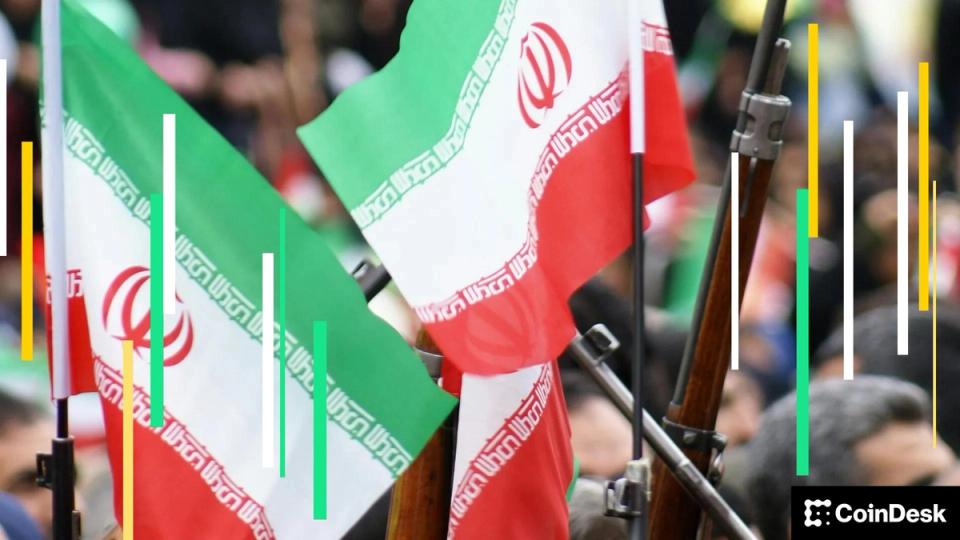
In a significant turn of events, financial markets are recalibrating their expectations regarding the Federal Reserve's monetary policy as the likelihood of a rate cut this year surged. On Wednesday morning, chances for a reduction in interest rates climbed to approximately 43%, according to data from the CME Group. This shift comes on the heels of a newly established ceasefire between Iran and other regional players, which is being viewed as a stabilizing factor that could influence economic conditions.
Background Context and Key Details
The recent ceasefire in Iran has sparked optimism among investors, as it suggests a potential decrease in geopolitical tensions that have historically impacted global oil prices and, subsequently, inflation rates. This development is particularly significant given the Fed's dual mandate to promote maximum employment and stable prices. As the central bank navigates these complex dynamics, any signs of easing inflation could pave the way for a more accommodative monetary policy.
For months, the Fed has maintained a cautious approach to rate adjustments, citing persistent inflationary pressures and a robust labor market. However, the abrupt changes in both domestic and global economic indicators have forced market participants to reconsider their outlooks. Analysts suggest that the combination of a more stable geopolitical environment and softer inflation metrics may provide the Fed with the necessary justification to lower rates before the year concludes.
Market Impact Analysis
The market's reaction to the news has been palpable. Stocks rallied on Wednesday, with major indices reflecting renewed investor confidence. The prospect of lower interest rates typically leads to higher equity valuations, as cheaper borrowing costs can stimulate business investment and consumer spending. Financial sectors, particularly banks, often react negatively to rate cuts, but the overall bullish sentiment in equities suggests a broader optimism about economic growth.
Moreover, bond markets have also shown signs of volatility in response to the shifting expectations. Treasury yields fell, indicating that investors are flocking to government bonds as a safe haven amid uncertainty, while simultaneously betting on a rate cut that would lower yields further. The dynamics of the yield curve are closely watched by economists, as they can signal potential recessions or expansions.
Furthermore, commodities markets, particularly oil, have been influenced by the ceasefire. The stabilization of oil prices can mitigate inflationary pressures, providing the Fed with more room to maneuver. The interplay between energy prices and monetary policy remains a focal point for analysts as they gauge the potential for future rate movements.
Forward-Looking Outlook
Looking ahead, the potential for a Federal Reserve rate cut remains a hot topic among economists and market analysts. While the ceasefire in Iran is a positive development, the Fed will likely maintain a wait-and-see approach, closely monitoring economic data over the coming months. Factors such as employment reports, inflation readings, and consumer sentiment will be critical in shaping the Fed's decision-making process.
Market participants are advised to remain vigilant as the economic landscape evolves. The likelihood of a rate cut could change rapidly if inflation re-emerges as a concern or if geopolitical tensions escalate. With an eye on the horizon, investors will need to stay informed about both domestic economic indicators and international developments that could impact the Fed's policies.
In conclusion, while the odds of a Fed rate cut have increased significantly in light of the Iran ceasefire, the path forward remains uncertain. As the markets adjust to these new dynamics, the interplay between geopolitical stability and domestic economic conditions will continue to play a pivotal role in shaping monetary policy and market performance.