What Happened
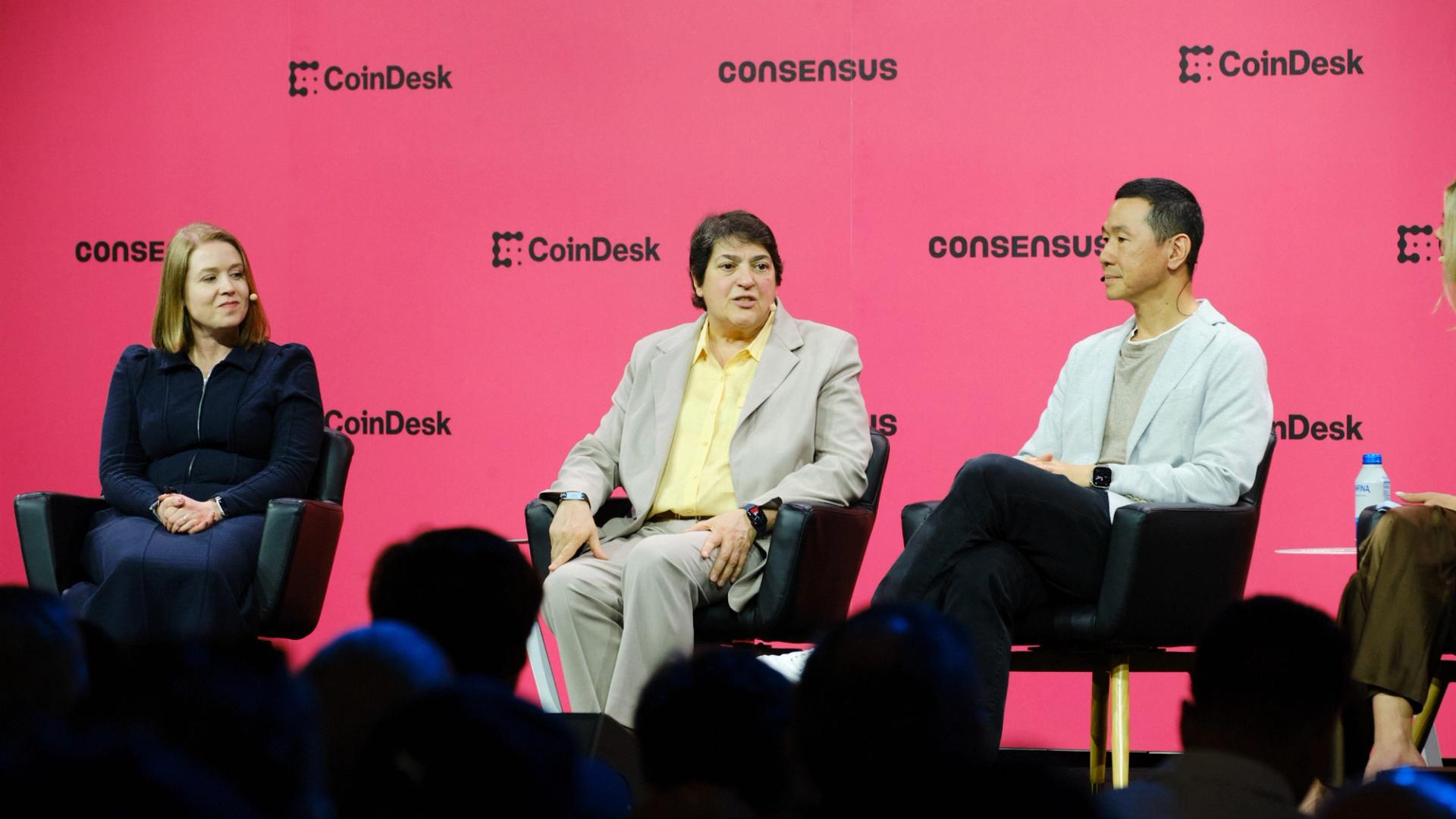
Tokenization, the process of converting physical assets into digital tokens on a blockchain, is experiencing a notable shift in sentiment, as Wall Street executives from Citigroup, JPMorgan, and DTCC recently asserted that it won't disrupt traditional banking rails but rather enhance them. This assertion comes amidst a backdrop of growing interest in tokenized assets, with executives emphasizing that genuine client demand is what's driving real-world applications. The discussion took place at the Consensus conference, a major event in the cryptocurrency and blockchain space, highlighting a pivotal moment for this evolving technology.
In simple terms, tokenization refers to the digital representation of real-world assets like stocks or real estate, which can then be traded on blockchain networks. The conversation among these influential financial leaders indicates a maturation of the tokenization concept, suggesting it may complement rather than replace existing financial systems. This is significant as it suggests a collaborative future between traditional finance and innovative technologies, setting the stage for broader acceptance of tokenized assets.
Why It Matters
The implications of this perspective from major financial institutions are profound. It suggests that the narrative around tokenization is shifting from one of potential disruption to enhancement of existing systems. This is particularly relevant as financial markets have been grappling with the implications of fintech innovations for several years. By framing tokenization as a tool for improvement, these executives aim to alleviate concerns among investors and regulators about the upheaval that blockchain technologies could bring to the banking sector.
Furthermore, the executives pointed out that the demand for tokenized assets is emerging from genuine client needs, rather than speculative hype. This insight helps to ground tokenization in practical applications, such as improving transaction efficiency and reducing costs associated with asset management. The market sentiment around tokenization is likely to remain cautious, but with this new narrative, there may be increased interest in exploring how tokenized assets can coexist with traditional finance.
Market Impact
As this narrative unfolds, various sectors and asset classes could be affected. Financial institutions like Citigroup and JPMorgan are likely to explore tokenization in their offerings, potentially impacting their stock valuations and the broader financial services sector. If successful, tokenization could streamline operations for banks, especially regarding settlement times and asset transfers, which could lead to improved profitability margins in the long run.
Moreover, this news could ripple through the tech sector, particularly among companies focused on blockchain solutions and digital asset management. For instance, firms involved in developing infrastructure for tokenized assets may see increased interest and investment as major banks signal their intent to adopt these technologies. In terms of market dynamics, the response from financial markets has been mixed, with some stocks related to blockchain technology experiencing volatility, reflecting the cautious optimism that often accompanies transformative ideas.
What Traders Are Watching
Active market participants are particularly focused on the potential for regulatory frameworks to evolve alongside tokenization. The question on traders' minds is how the regulatory landscape will adapt to accommodate these new technologies while ensuring consumer protection and financial stability. Analysts are closely monitoring discussions within government bodies and regulatory agencies regarding guidelines for tokenized assets, as these developments could significantly impact market sentiment.
Additionally, traders are observing key price levels in related sectors, particularly financial technology and blockchain companies. A breakout above recent highs in these stocks could indicate growing investor confidence in the long-term viability of tokenization. Conversely, a rejection at current resistance levels may suggest that the market remains skeptical of widespread adoption.
What Comes Next
Looking ahead, several catalysts could shape the tokenization landscape. Upcoming discussions at regulatory meetings, potential new legislation regarding digital assets, and ongoing advancements in technology could all play crucial roles. A bullish scenario would require broader acceptance and integration of tokenization by financial institutions, which could lead to increased market participation and investment. On the other hand, a bearish scenario might unfold if regulatory hurdles impede the growth of tokenization, causing investor sentiment to shift negatively.
The next test for tokenization comes with any regulatory updates or announcements regarding digital asset frameworks — until then, the evolving narrative of tokenization as a complementary force to traditional banking remains the dominant force.