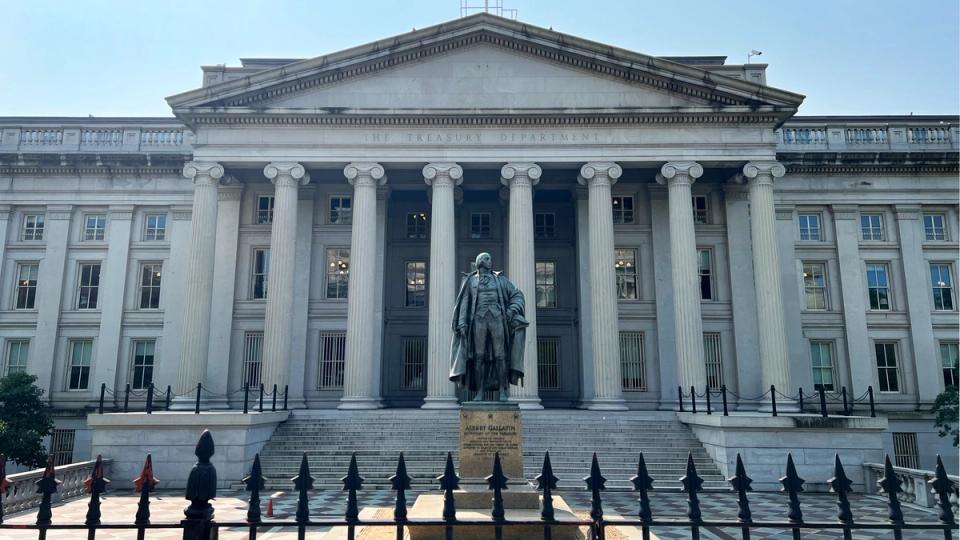
U.S. Treasury Expands Cybersecurity Collaboration to Include Crypto Sector
In a significant move aimed at fortifying the nation’s cybersecurity framework, the U.S. Treasury Department has announced plans to include the cryptocurrency sector in its ongoing dialogue about hacker threats previously reserved for traditional financial institutions. This initiative reflects an increasingly urgent need to address vulnerabilities in the rapidly evolving digital assets landscape as it gains prominence alongside conventional banking and finance systems.
Background Context and Key Details
The cybersecurity landscape has transformed dramatically over the past few years, with financial institutions becoming prime targets for cybercriminals. The U.S. Treasury has historically circulated warnings and alerts regarding potential hacker threats to banks, investment firms, and other traditional financial entities. However, as the cryptocurrency market continues to expand, the Treasury recognizes that the decentralized nature of digital assets presents unique vulnerabilities that could compromise the entire financial system if left unaddressed.
This latest initiative marks a pivotal shift in the Treasury's approach, as it seeks to bridge the gap between traditional finance and the burgeoning crypto sector. By including cryptocurrency firms in its cybersecurity communications, the Treasury aims to foster a more resilient financial ecosystem that can better withstand cyber threats. This collaborative approach will likely involve sharing intelligence, best practices, and strategies for mitigating risks associated with hacking and cyber attacks.
Market Impact Analysis
The ramifications of this announcement are poised to reverberate throughout the cryptocurrency market. Investors and industry participants may see this as a positive development, reflecting a growing recognition of the legitimacy of crypto assets and their integration into the broader financial system. Increased cooperation between government agencies and the crypto sector could enhance trust among investors, potentially leading to greater adoption and investment in digital assets.
Moreover, this move may signal to institutional investors that the U.S. government is taking proactive steps to ensure the security of the crypto space, which has been plagued by high-profile hacks and security breaches in recent years. Enhanced cybersecurity measures could help alleviate fears surrounding the safety of assets held within various digital platforms, thereby encouraging more conservative investors to enter the market.
However, the announcement is not without its challenges. The crypto sector is characterized by a diverse range of players, from established exchanges to smaller, decentralized finance (DeFi) platforms, which may not have the same level of resources to implement robust cybersecurity protocols. The Treasury’s engagement with this wide array of entities will need to be nuanced and tailored to the unique challenges posed by each segment of the market.
Forward-Looking Outlook
Looking ahead, the U.S. Treasury's decision to include the cryptocurrency sector in its cybersecurity warnings may pave the way for more formal regulatory frameworks governing digital assets. As discussions between government officials and industry stakeholders intensify, we could see the emergence of new guidelines or regulations aimed at enhancing security protocols across the crypto landscape.
Furthermore, the Treasury's initiative may serve as a catalyst for increased collaboration among various regulatory bodies, including the Securities and Exchange Commission (SEC) and the Commodity Futures Trading Commission (CFTC). A unified approach to cybersecurity could streamline efforts to protect both traditional and digital assets, ultimately contributing to a more stable financial environment.
As the digital asset market continues to mature, stakeholders must remain vigilant and proactive in addressing cybersecurity concerns. The U.S. Treasury's engagement with the crypto sector is a crucial step toward creating a safer and more resilient financial ecosystem, one that balances innovation with security. Investors and industry participants alike will be closely monitoring the developments that arise from this collaboration, as the interplay between regulation and innovation will shape the future of finance in America and beyond.