Market Overview
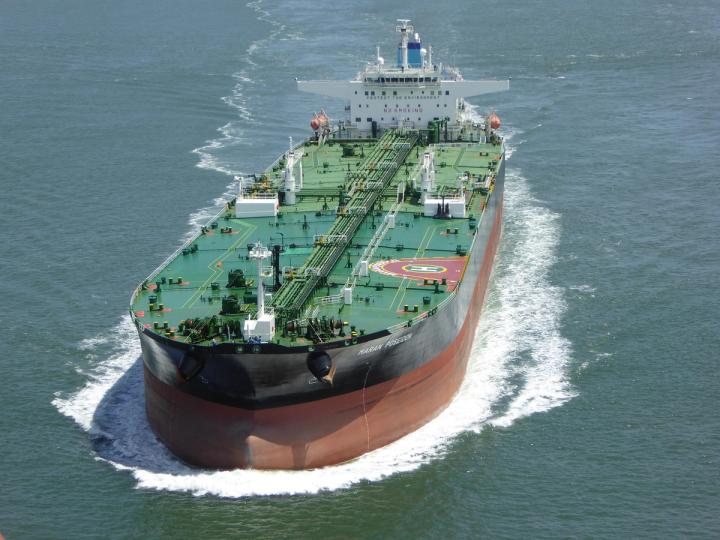
The recent seizure of an Iranian cargo ship by the United States has sent ripples through the global markets, reigniting concerns over geopolitical tensions in the Middle East. As traders and investors closely monitor the unfolding situation, the implications of this event are significant, especially as they pertain to oil prices, currency fluctuations, and broader market stability. The relationship between the US and Iran has always been fraught with complexity, and this latest development raises questions about the potential for renewed conflict and its impact on a fragile ceasefire in the region.
Traders are particularly concerned about how this incident could affect supply chains, particularly in the energy sector. With the world still recovering from the economic impacts of previous geopolitical tensions and the COVID-19 pandemic, any disruption in oil supply could lead to increased prices and volatility. This situation matters right now as traders look for signals that could dictate market movements in the short term and possibly reshape long-term strategies.
Technical & Fundamental Analysis
From a technical perspective, the price of crude oil has shown some volatility in recent sessions, with key levels of support and resistance being tested. Traders are keeping a close eye on the $80 per barrel mark for Brent crude, which has historically acted as a significant psychological level. Should prices breach this level in response to heightened tensions, it could trigger further buying pressure, while a failure to maintain above it could lead to a sell-off, particularly if traders perceive the situation to be stabilizing.
On the fundamental side, the seizure of the Iranian cargo ship could have various implications, particularly if it leads to heightened sanctions or military responses from Iran. Recent economic indicators have shown a recovery in oil demand as global economies rebound, but this incident could disrupt that momentum. Furthermore, the geopolitical tensions could affect the US dollar, typically regarded as a safe haven during crises. Traders should keep an eye on the economic indicators coming from the US and Iran, as well as any changes in policy that could affect market sentiment.
Trading Implications
The immediate sectors affected by these developments are predominantly energy-related, particularly oil and gas stocks. Companies heavily involved in drilling and distribution may face increased volatility as traders react to fluctuations in oil prices. Additionally, sectors such as defense and commodities may see increased interest as traders position themselves for potential shifts in government spending or supply chain disruptions.
In the short term, traders should watch for increased volatility in oil futures and related equities, while in the medium term, the outlook remains uncertain and contingent on how the geopolitical landscape evolves. If tensions escalate, the potential for a spike in oil prices could affect the broader market, especially if inflationary pressures rise as a result. Risk factors that traders should monitor include potential retaliatory actions from Iran, changes in US foreign policy, and the overall stability of the ceasefire agreements in the region.
What to Watch Next
Looking ahead, several upcoming catalysts could further influence market dynamics. Traders should keep an eye on any statements or actions from the US government regarding sanctions and military presence in the Middle East. Additionally, key economic data releases and OPEC meetings could provide insights into how oil supply may be affected by these geopolitical tensions.
Furthermore, any changes in the tone of negotiations between the US and Iran could shift market sentiment dramatically. If talks resume or if there is a diplomatic resolution, traders may see a reduction in volatility and a stabilization in oil prices. Conversely, should tensions escalate, this could lead to a significant shift in market dynamics. Key levels to watch include the $80 per barrel threshold for Brent crude and any updates on ceasefire agreements that could either hold or falter in the wake of these tensions.