What Happened
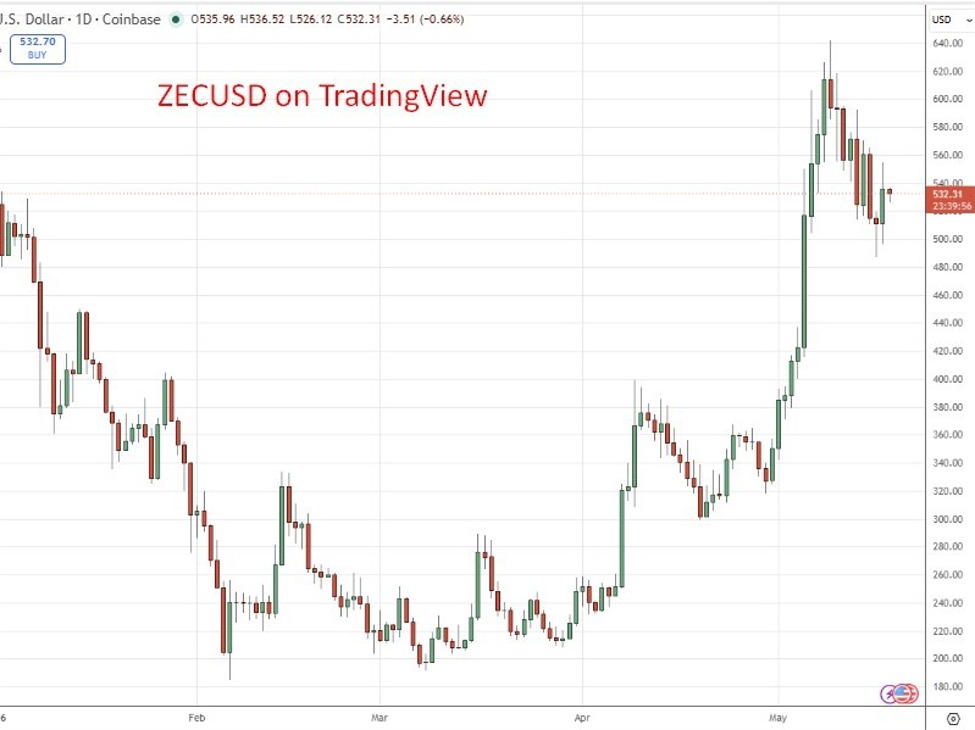
Zcash has surged an astonishing 1,140% over the past year, fueled by support from bitcoin pioneers like the Winklevoss twins and a decline in regulatory fears surrounding privacy-focused cryptocurrencies. This remarkable rise in Zcash's value has drawn attention away from Bitcoin, which has only gained 8% in the last month and lost 24% over the past year. The recent backing from major institutional players, along with the U.S. Securities and Exchange Commission (SEC) closing its probe into Zcash, has sparked renewed interest in the token, highlighting a shift in sentiment within the cryptocurrency market.
Zcash, established in 2016, operates similarly to Bitcoin but offers users the option of shielded addresses, allowing for greater privacy in transactions. This feature has attracted both institutional investment and individual users who value privacy in digital transactions. The surge in Zcash's price comes at a time when Bitcoin's dominance in the market is being challenged, with the privacy coin's market cap now around $8.9 billion compared to Bitcoin's $1.59 trillion.
The timing of this rally is significant as it reflects a broader trend in the cryptocurrency space, where privacy coins are gaining traction amid growing concerns about data privacy and security. The renewed interest in Zcash is particularly noteworthy given the historical hesitance of institutional investors to engage with privacy-focused assets due to regulatory uncertainties.
Why It Matters
The price movement of Zcash is a direct response to several key developments: institutional backing, regulatory clarity, and a general pivot among cryptocurrency investors. As Bitcoin has struggled to maintain its momentum, Zcash's ascent illustrates a potential shift in market dynamics. The Winklevoss twins' $50 million investment into Cypherpunk Technologies, aimed at promoting Zcash, signals a growing conviction among influential figures that privacy coins may offer a viable alternative to Bitcoin.
The SEC's decision to close its investigation into Zcash has likely alleviated fears that regulatory actions could stifle the token's growth. This shift in regulatory sentiment is essential, as it opens the door for more institutional players to consider investing in Zcash without the looming threat of sanctions or compliance issues. Analysts note that while Bitcoin remains the leading cryptocurrency, its public nature leaves it vulnerable to scrutiny, potentially driving some investors to privacy coins like Zcash, which offer more discretion.
Furthermore, the growing dissatisfaction among Bitcoin holders, who have seen their investments decline over the past year, may lead to a capital rotation into Zcash and other privacy coins. This trend could create a self-reinforcing cycle, where rising interest in Zcash drives further investment and price appreciation.

