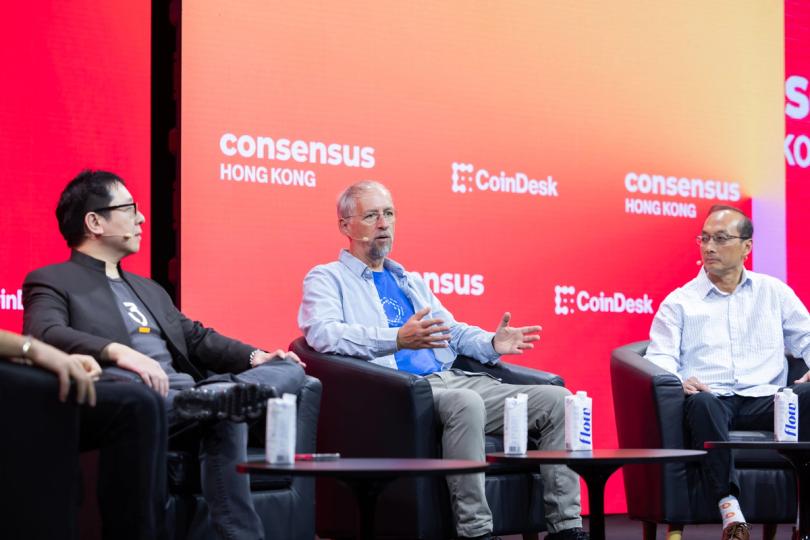
Adam Back Denies Claims of Being Bitcoin's Creator Satoshi Nakamoto
In a recent turn of events, Adam Back, a prominent figure in the cryptocurrency community, has publicly refuted claims made by a New York Times report suggesting that he is the elusive Satoshi Nakamoto, the pseudonymous creator of Bitcoin. This revelation has sent ripples through the crypto market, reigniting debates surrounding the identity of Nakamoto and the implications of the creator's anonymity for the digital currency's future.
Background Context
The New York Times article, published earlier this week, posited that Back, known for his early work in cryptographic protocols and as the CEO of Blockstream, could potentially be the mastermind behind Bitcoin. Back has long been a respected figure within the Bitcoin community, contributing to its development and supporting its adoption. However, he has consistently maintained that he is not Nakamoto, a stance he reiterated in a series of tweets following the article's publication.
Satoshi Nakamoto's identity has been one of the biggest mysteries in the tech and finance world since Bitcoin's inception in 2009. Various individuals have been proposed as candidates for the role, with theories ranging from the plausible to the far-fetched. The mystique surrounding Nakamoto's identity has not only fueled conspiracy theories but has also become a focal point in discussions about the ethos of decentralization that Bitcoin embodies. The fact that Back, who has a notable history in the cryptographic field, was named again adds fuel to the fire of speculation.
Market Impact Analysis
The New York Times report sparked immediate reactions across the cryptocurrency landscape. Following the news, Bitcoin's price witnessed a brief spike, reflecting the market's sensitivity to developments surrounding its creator. Investors often react strongly to any speculation regarding Nakamoto, as the identity of the creator is intertwined with the narrative of Bitcoin's legitimacy and potential future.
However, Back's swift denial has instigated a more tempered approach among investors. Market analysts suggest that while the identity of Satoshi Nakamoto remains a subject of intrigue, the actual impact on Bitcoin's value may be limited. The cryptocurrency has established itself as a formidable player in the financial ecosystem, driven more by market demand, regulatory developments, and technological advancements than by the identity of its creator.
Moreover, the ongoing debate about Nakamoto's identity underscores the broader themes of decentralization and community in the cryptocurrency space. In many ways, the mystery of Nakamoto serves as a reminder that Bitcoin operates as a collective effort rather than a product of a single individual. Analysts posit that this aspect may continue to bolster Bitcoin's resilience against market fluctuations.
Forward-Looking Outlook
As the dust settles from the recent claims, the cryptocurrency community is expected to return its focus to more pressing issues, including regulatory challenges, technological advancements, and the evolving landscape of digital assets. The debate over Nakamoto's identity may linger, but it is unlikely to significantly sway Bitcoin's trajectory in the near term.
Looking ahead, Bitcoin continues to face a host of challenges and opportunities. As major financial institutions explore the integration of cryptocurrencies into their operations, and as regulatory frameworks evolve, the fundamental principles that underpin Bitcoin's value proposition will remain at the forefront of discussions. The ongoing interest in Bitcoin, coupled with its continued adoption as a store of value and medium of exchange, suggests that its long-term outlook remains robust, regardless of who Satoshi Nakamoto may be.
In conclusion, while Adam Back's denial may momentarily quell speculation around his potential role as Nakamoto, the identity of Bitcoin's creator will likely remain a tantalizing enigma. The focus for investors and enthusiasts alike should remain on the innovations and developments shaping the future of the cryptocurrency market.