Market Overview
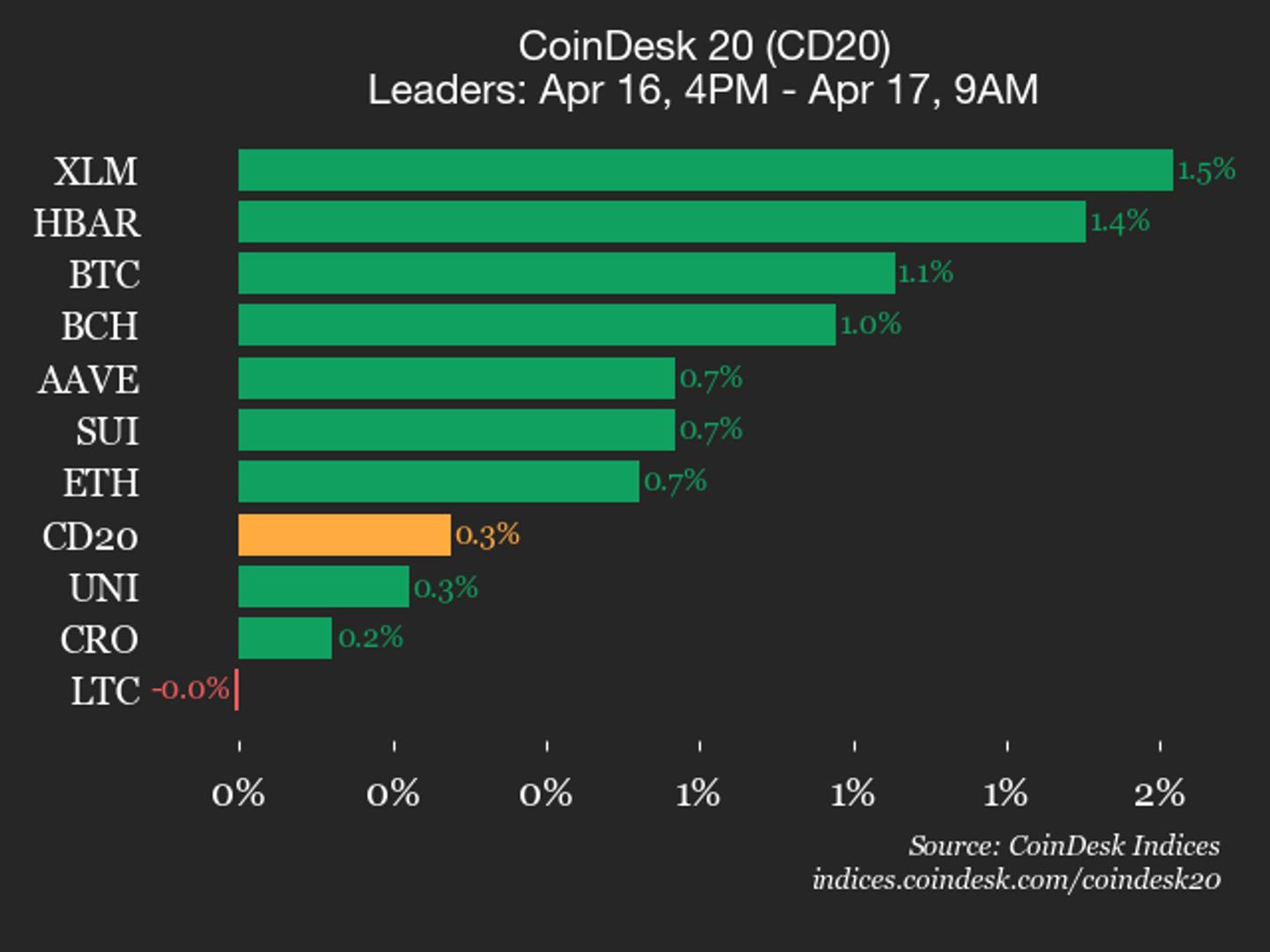
In a significant turn of events for global markets, Bitcoin surged past the $76,000 mark, while oil futures experienced a notable decline of approximately 10%. This market reaction follows Iran's announcement that the Strait of Hormuz will remain open for the duration of the ceasefire between the United States, Israel, and Iran. The Strait of Hormuz, a critical maritime chokepoint for oil shipments, plays a vital role in the global supply chain. Traders are closely monitoring this development, as the dynamics surrounding this region can influence not only energy prices but also the broader cryptocurrency market.
The implications of Iran's declaration are multifaceted, especially for traders focused on oil and alternative assets like Bitcoin. The stabilization of oil supply routes could signal a decrease in geopolitical risk, leading investors to shift their allocations. This shift in sentiment can drive prices up for digital currencies, as traders often seek refuge in assets like Bitcoin during periods of geopolitical uncertainty. The current market environment reflects a complex interplay of factors that traders need to navigate carefully.
Technical & Fundamental Analysis
From a technical standpoint, Bitcoin's recent surge past the $76,000 level has established a new resistance point for traders to monitor. The cryptocurrency market has shown remarkable resilience, with Bitcoin breaking previous resistance levels and demonstrating bullish momentum. Key support levels can be identified around the $70,000 mark, which could serve as a critical buy zone should profit-taking occur. Traders are now watching for the potential for Bitcoin to retest and consolidate above the $76,000 threshold in the coming sessions.
On the fundamental side, the announcement from Iran comes amidst heightened tensions in the Middle East, which has historically affected oil prices. The recent 10% drop in oil futures reflects a significant shift in market sentiment, as the potential for increased stable supply from the region eases worries about high energy prices. This sets the stage for a reevaluation of supply and demand dynamics, where traders might begin to anticipate a more balanced oil market moving forward. Economic data, such as inventories and OPEC's production levels, will be crucial to watch as they could further influence oil prices.
Trading Implications
The sectors most directly affected by these developments are energy and cryptocurrencies. With oil prices dropping, energy stocks may face pressure, while sectors that benefit from lower energy costs, such as transportation and manufacturing, could see upward momentum. On the other hand, Bitcoin's rise indicates a potential shift in investor sentiment, as traders may consider cryptocurrencies as a hedge against traditional market volatility and geopolitical risk.
In the short-term outlook, traders might anticipate continued volatility in both asset classes. The medium-term perspective, however, appears more optimistic for Bitcoin, especially if it can maintain its position above $76,000. For oil, traders should remain cautious as the market adjusts to the new geopolitical landscape. Risk factors to monitor include any potential escalation in tensions that could disrupt oil supplies or lead to additional sanctions, as well as regulatory developments impacting the cryptocurrency market.
What to Watch Next
Looking ahead, traders should keep an eye on upcoming catalysts that could further influence market dynamics. Key events to watch include OPEC meetings, where production levels and future strategies will be discussed, and the release of critical economic data, such as U.S. inventories and job reports, which can impact oil demand forecasts. Additionally, the Federal Reserve's policy meetings could provide insight into macroeconomic trends that influence both traditional and crypto markets.
Investors should also pay attention to Bitcoin's price action around the $76,000 level. A sustained breakout could lead to further bullish sentiment, while a retracement could trigger profit-taking and potential dips towards established support levels. The interplay between geopolitical developments in the Middle East and broader economic indicators will be crucial for traders to navigate in the coming weeks, as these factors will likely shape the narrative in both the oil and cryptocurrency markets.