What Happened
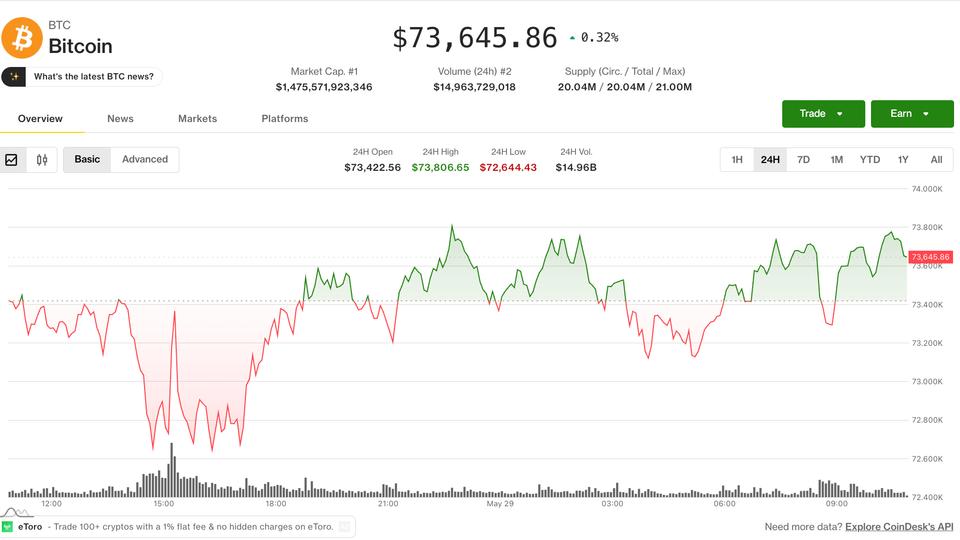
Bitcoin has dropped to its lowest levels since April, sliding as much as 10% in recent trading sessions while U.S. equities continue to reach record highs. This divergence highlights a significant shift in market sentiment, as investors appear to be favoring traditional stocks over cryptocurrencies amid growing concerns about regulatory pressures and market volatility.
In simpler terms, while many U.S. stocks are soaring to new heights — driven by strong earnings reports and investor optimism — Bitcoin's downturn signals a stark contrast where the leading cryptocurrency is struggling to maintain its footing. This drop has raised eyebrows among traders and analysts alike, particularly as Bitcoin had previously shown resilience. With a market cap that once soared to nearly $1 trillion, its current struggles are noteworthy.
Why It Matters
The recent slide in Bitcoin's price is indicative of a broader sentiment shift in the markets. As equities in sectors like technology and consumer goods continue to flourish, Bitcoin's decline suggests that investors are reassessing their risk appetite. The disconnect between the bullish sentiment in the stock market and the bearish trend in Bitcoin could be linked to fears of increased regulation in the cryptocurrency space, which has led some traders to pull back from digital assets.
Fundamentally, Bitcoin's current price trajectory can be viewed through the lens of market sentiment. As traditional markets demonstrate resilience and investors flock to established equities, Bitcoin's struggles may reflect a growing skepticism about its viability as a safe haven or inflation hedge. Additionally, the cryptocurrency market often reacts sensitively to regulatory news, and any announcements from authorities could further impact Bitcoin's price.
Furthermore, this divergence could have second-order effects on the cryptocurrency ecosystem. If Bitcoin continues to weaken, it may lead to reduced investment in altcoins and related blockchain projects, which rely on the overall health of the crypto market. This could stall innovation and growth in the sector, leading to a ripple effect throughout the industry.